Communities of expertise
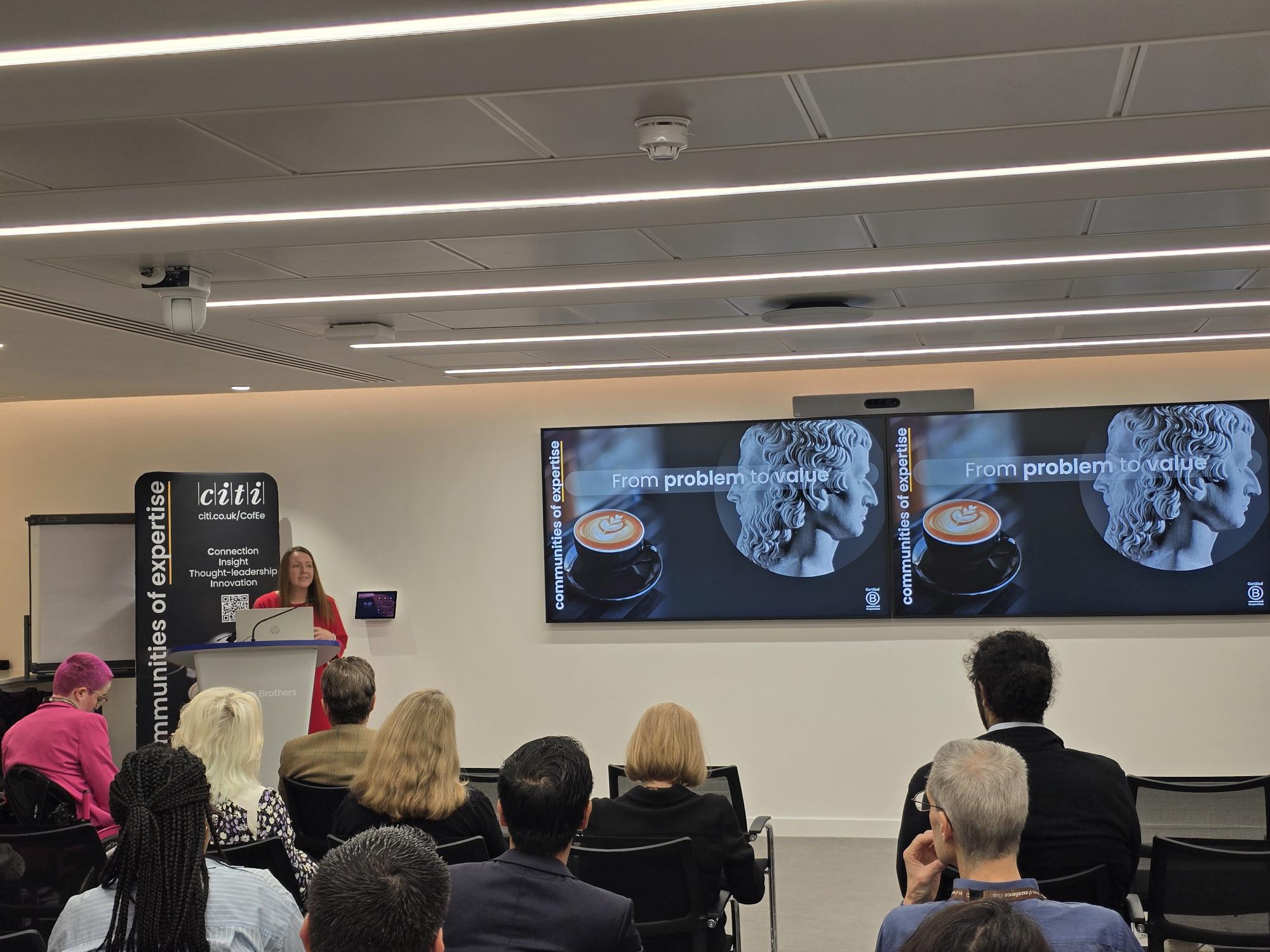
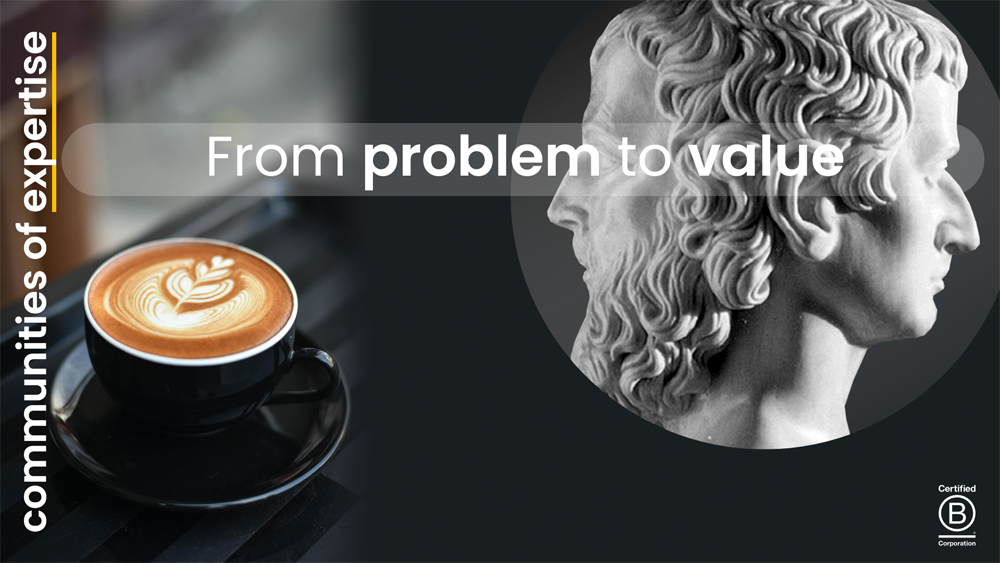
Our 51st event From problem to value focused on why change initiatives so often fail to deliver benefits, and how greater clarity on the real problem and the value of resolving it provides a stronger foundation for effective change.
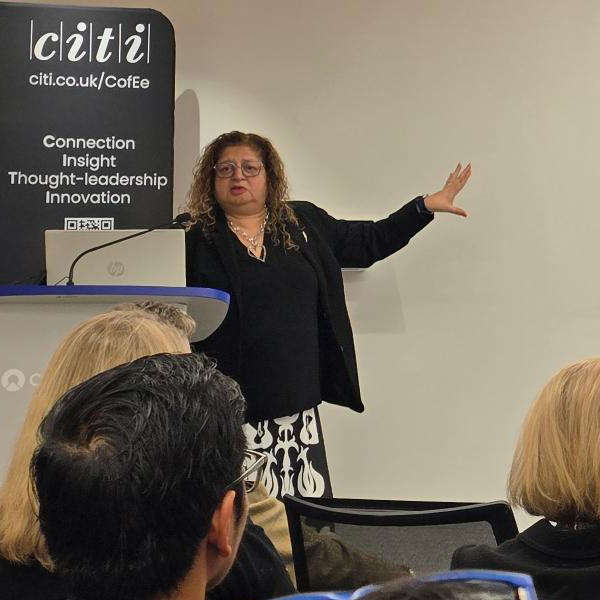
Kalpna Sanders, CEO – CITI Limited
The 51st Communities of Expertise event, hosted at Close Brothers in London, brought practitioners together to explore the theme “From problem to value.”
The session examined why so many change initiatives fail to realise their predicted benefits, highlighting a recurring tendency to move too quickly to solutions without sufficient clarity on the underlying problem, the real value of resolving it, who owns the benefit and how organisations go about measuring or attributing value.
Through presentations, panel discussion and facilitated workshops, participants explored the critical relationship between problems, value, and change, reinforcing the importance of first-order thinking – clearly defining the problem and the benefit sought before determining scope, solutions or investment.
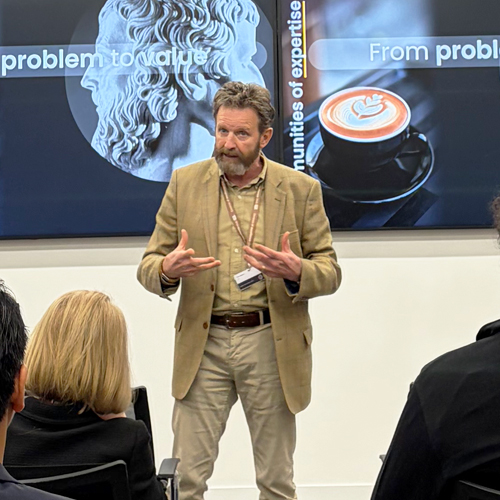
By strengthening the line of sight from problem to value, our event emphasised how organisations can create stronger rationales for change, better alignment among stakeholders, and more sustainable outcomes that genuinely deliver benefit.
We are always so pleased to see the engagement, the contribution, the real stories and experience that our members bring to these events so I thank everyone who attended and really got stuck into the full day making for another great Communities of Expertise Club event.
We have already had some interest in future topics and hosting events from club members but are aware that some of our community were unable to attend this one and would like to be more involved, so please do give feedback, get in touch with the team to discuss future events and to learn more.
36% identified Operational Efficiency as their number‑one organisational challenge
Nick Dobson, Managing Consultant
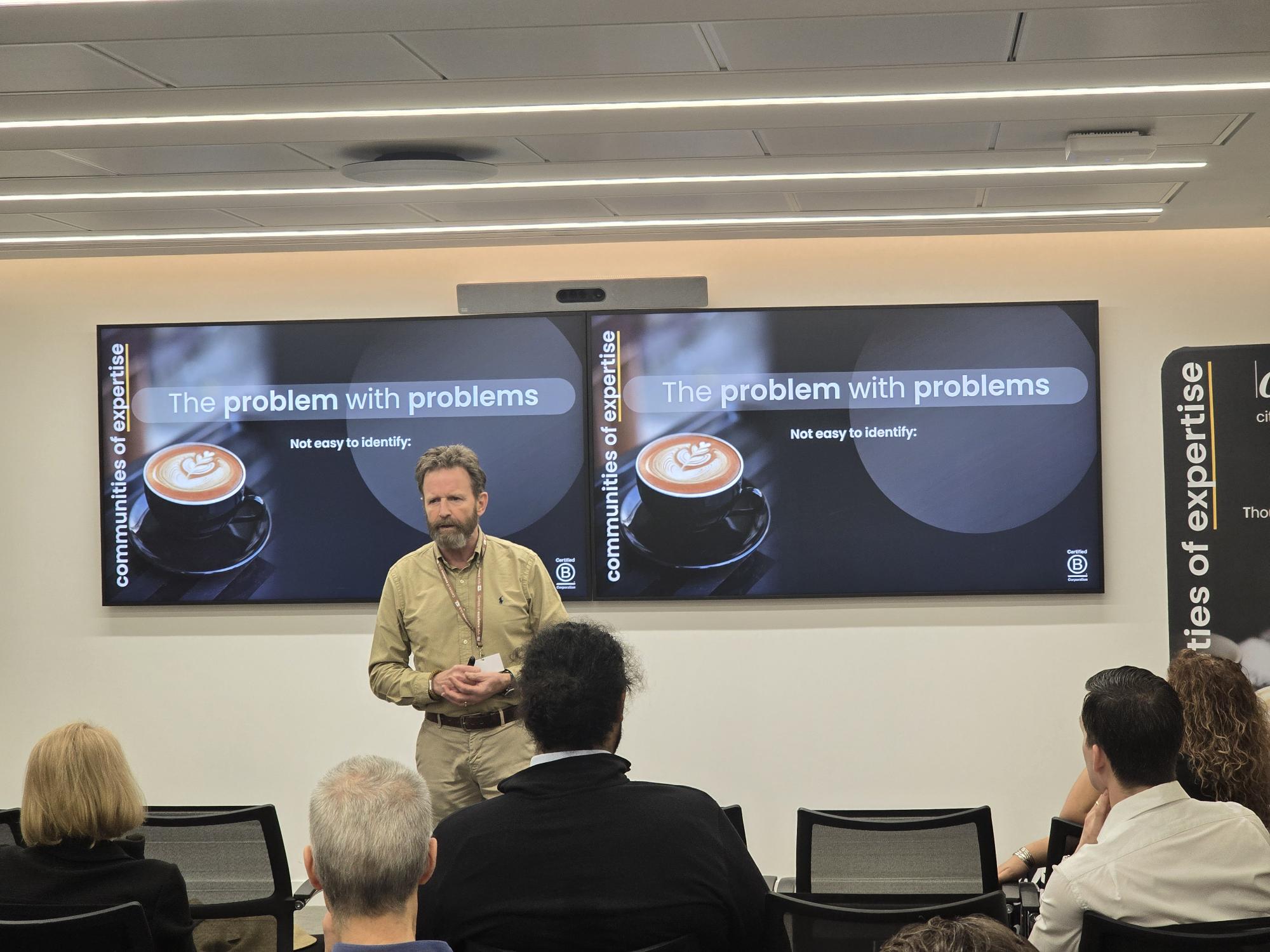
Nick challenged a common pattern in change and project environments: moving too quickly to solutions without sufficient clarity on the problem being addressed or the value expected from resolving it.
He emphasised that meaningful change begins with first‑order thinking – clearly defining the real problem, understanding its context, and articulating why resolving it will make the organisation better off. By exploring the relationship between problems, value and change, the presentation highlighted how poor problem definition, solution bias and reliance on proxy measures can undermine benefits realisation.
Nick reinforced that a clear line of sight from problem to value provides a stronger rationale for change, sharper decision‑making, and a more robust foundation for achieving sustainable outcomes.
Participants voted on seven priority topics during the morning session, with the three highest‑rated themes carried forward for deeper exploration in the afternoon workshops:
Panellist questions
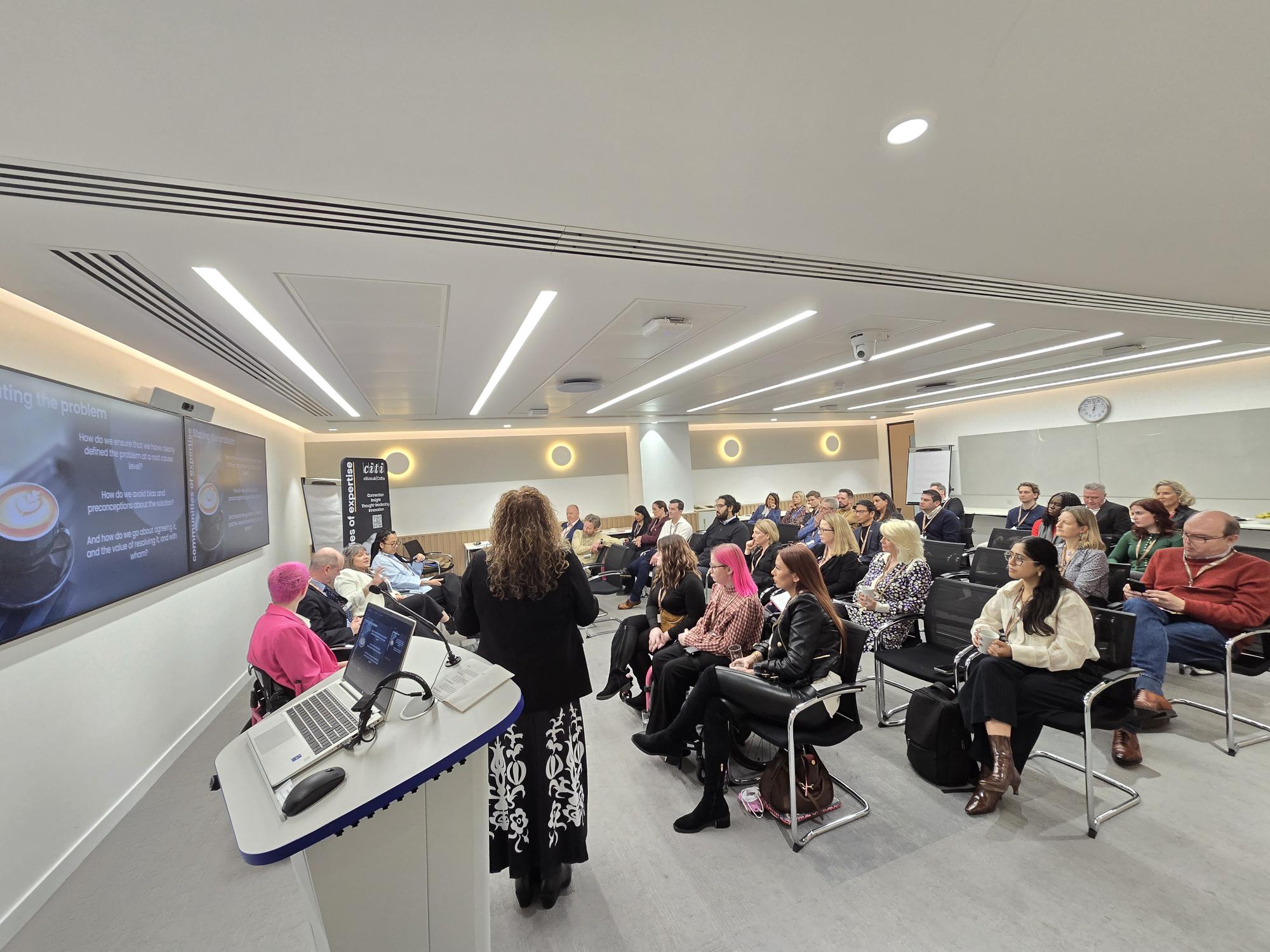
Each of the three topics were given approximately fifteen minutes during the panel discussion, the audience’s questions focused in on what mattered to them. In the case of identifying problems (or opportunities) the questioning led the panel to stress that this was a particularly critical activity and important to engage the right people.
However, time didn’t really allow for a detailed exploration of who would constitute the ‘right people’; by implication, some of these were user and operational level, but, at the same time, it is clearly important to address the business’s problems as the underpinning rationale for making investments. A potentially, valuable follow up discussion could be had on balancing the needs of these two communities.
The panel moved on to discussing the importance of communications in the problem discovery area. Frequency and openness of the communications became a major area of discussion. Thought could usefully be spent on what are the best communications frameworks for the problem exploration/discovery stage of a project. For example, would prototyping or questionnaires provide better levels of feedback and response? The discussion also dwelt on the need to embrace all communication channels. For example, it was felt the ‘rumour-mill’ could prove as valuable a source of information on the problems and the appetite for their resolution, as any other, more formalised, avenue.
A cautionary note was, however, sounded. In that, whilst it is clearly imperative that the right people are engaged in communicating the problems, and in the right way, they too will be solution oriented. This can lead to a tendency to focus, prematurely, on the preferred solution rather than gaining a grounded, agreed and deep understanding of precisely which problem/s are being addressed. Equally importantly, which problems are not being addressed is also a vital point of shared understanding.
Two practical tips that emerged from the discussion were:
1 – It is often helpful to shift the narrative, or discussion, onto the less ‘charged’ concept of outcomes which appear to be less threatening than the more direct word ‘benefits’, and
2 – Stick to the basics and use the value/benefits as articulated in the business case. These should be consistent and agreed across the organisation and, as such, should obviate the possibility of too much contention.
Another consideration, felt to be of value in this area, was to ensure that a specific focus on what would constitute success was achieved right up-front. It was clearly felt across the whole panel that not doing so, frequently, turns out to be a cause of failure. However, the questioning then took the panel into the discussion of ambiguity in success factor definition, yet time didn’t permit the development of any cogent recommendations for addressing this.
It was clear that it would be very helpful to have an early focus on structuring and metricating success.
The final topic, that of establishing who is responsible for achieving and securing the change, saw an initial, and widely held, belief that it must be the sponsor. However, this was challenged on the basis that sponsors, frequently, have no operational control on the change-agents/users whose behaviour secures and maintains the changed behaviours that confer benefits. Equally, their role is temporary. They cannot remain accountable indefinitely under that condition.
Some discussion followed on the distinction between accountability and responsibility. The concept of a ‘baton’ of responsibility (transitioning between different roles as a change initiative evolved) seemed to gain some traction. A helpful suggestion, put forward by a member of the audience, was that, in practical terms, the best approach within their organisation was to try and foster an “environment of responsibility” where discussion and consensus over who was doing what to try and secure the necessary outcomes, led to positive results.
Again, in common with the second topic, the discussion eventually seemed to conclude that the real world was ambiguous about precisely who was responsible for what, and when, often because it is frequently context dependent. Unanimity did exist in agreement that such ambiguity was not helpful in either case.
In light of that conclusion, it would clearly be helpful to lay down principles of practice that allow for appropriate identification and inclusion of the necessary ‘players’ at the appropriate points within a change lifecycle.
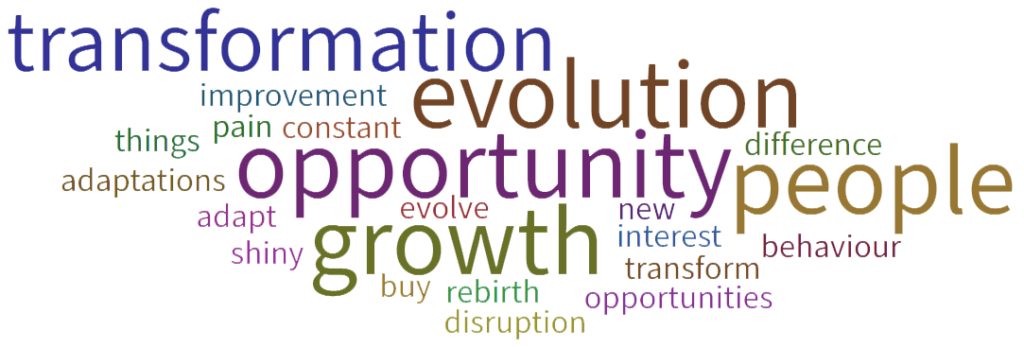
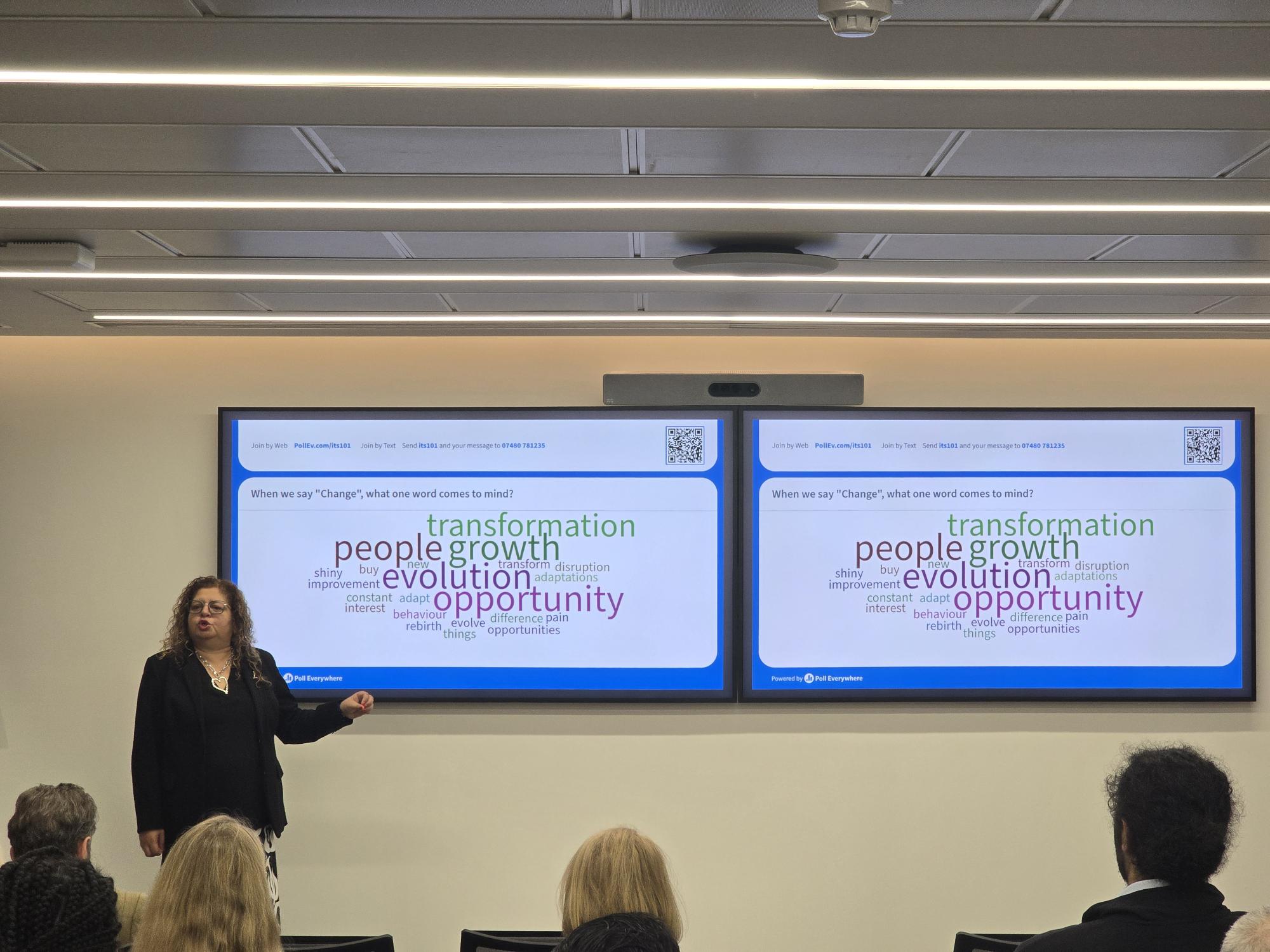
What change means to you
Group one – problem/opportunity
The workshop identified the challenges with problem identification – jumping to solutions and identifying symptoms of a problem rather than its root causes. Individuals spoke about how programmes within their organisations perpetually develop projects which address symptoms of an overarching problem rather than addressing the root cause, leading to ongoing costly programmes.
Problem identification techniques were mentioned, such as root-cause analysis as well as consideration for open questioning techniques, and Ishikawa (fishbone) diagrams as tools to structure thinking. After much conversation, the group concluded that not enough time is invested in the problem exploration phase leading to investment in projects and programmes which do not deliver the desired value.
Various stakeholder groups need to be consulted to overcome perspective bias, but authentic feedback will only be provided if there is a psychologically safe environment to challenge.
More access to Sponsors is required, to enable better refinement of problem statements, and prioritisation based on strategic alignment with organisational goals. There was also a desire for Sponsors to be readily available to stakeholders, once a project has started for continuous guidance.
Additionally, all agreed that the business case should be revisited consistently throughout a project to ensure continuing alignment with the initial problem statement and objective, preventing scope drift and avoiding further investment in initiatives that won’t deliver the intended value.
Group two – value/benefits
The workshop firstly explored how value and benefits are organised and governed across programmes. Participants agreed the business case as the central organiser, with requirements’ triage used to challenge additions and ensure new requests demonstrably contribute to project success. The group emphasised the importance of strategic alignment – mapping work to organisational goals and communicating them clearly, while recognising the need to balance the portfolio against real-world constraints. The group highlighted the importance of separating outcomes from benefits to avoid confusing the latter with value. They also noted that regulatory/Replace–Maintain–Comply initiatives often cannot yield benefits and some viewed this as disbenefit, however, these still must be delivered.
Agreement on what constitutes value was seen as a shared responsibility across sponsors/decision-makers, product/business owners, delivery, and finance/compliance (for regulated work). However, achieving alignment on solution and benefits was described as a challenging conversation, complicated by differing currencies of value (e.g. public sector vs. commercial) and personal WIIFM (what’s in it for me) perspectives that shape perceptions of ROI (return on investment). While the definition of value was not unanimous, its importance was undisputed. Persistent confusion between outcomes and benefits, unclear goals, and the difficulty of measurement, especially where benefits have long realisation timelines, served to undermine both shared understanding, and tracking.
The group agreed that differentiating “value‑adding” from merely “valuable” is essential for scope control and initiative prioritisation. New requests should be tested against defined benefits, maintaining focus on ROI and leveraging benefits rather than attractive but non-value-adding outputs, and building incremental value with user benefit in mind. Credible demonstrations of continuing benefit were stated as infrequent, despite attempts to use iterations/staged goals; measurement remains hard and many benefits materialise late.
Finally, participants reflected on why benefits realisation plans are not met as often as desired – compliance-first initiatives are prioritised over value-adding work; alignment gaps and unclear organisational goals persist; teams tend to track delivery over benefits; measurement is difficult and lags; scope creep goes unchallenged; and portfolio trade-offs favour short-term ROI. Different value currencies across contexts further complicate a coherent, consistent plan. The overall conclusion called for:
1 – Stronger benefit-led governance
2 – Clearer communication
3 – Disciplined triage, and
4 – Regular revalidation of benefits throughout delivery.
Group three – responsibility for change
Building on the group’s reflections, some had experience of accountability being anchored in operational targets owned by the budget owner/SRO, with business owners accountable for benefits within their domains.
Responsibility, however, was felt to be more distributed: it spans HoF/SM (Heads of Function/Senior Management), business owners, change managers, users, and the person requesting the change (who defines and upholds the acceptance criteria). This shared model recognises that outcomes and benefits are only realised and sustained when leadership, delivery teams, and end users all play their part.
In practice, this responsibility should be exercised across the lifecycle, up front by agreeing benefits, KPIs, and risks; during delivery through monitoring and adjustment via gateway reviews, colleague sentiment checks, and user/supplier/customer testing; and after going live by baking measures into operational targets so benefits persist.
To make this work repeatably, the group advocated a published, repeatable approach – a RACI to clarify who does what and when; BRP (Benefit Realisation Plan) entries that explicitly capture required behavioural changes.
Gateway reviews that preserve alignment and allow course correction; and formal benefits sign off (including the noted benefit certification) to confirm realisation. Together, these elements reduce ambiguity, prevent scope creep, and help ensure investments translate into projected value.
The workshop ultimately concluded three principles to underpin effective Responsibility for Changes.
1 – Identify who does what at each stage of delivery – be clear/agree/test
Roles, decisions, and acceptance must be clear, jointly agreed, and validated in practice.
2 – Publish repeatable processes
Standardised, visible ways of working create consistency, enable coaching, and make responsibilities auditable.
3 – Engage experienced capability
Experienced practitioners provide greater clarity, strengthen governance, and improve the likelihood that benefits are both realised and sustained.
Join the club!
Sign up to our waiting list to become a FREE member and receive updates about the next event. In the meantime, check out more about our previous events held across London, Manchester, and Swindon to name a few locations!
Final notes
The discussion and suggestions by the audience and panel revealed a lot of common problems in all three topics but few practical tips for their resolution. Clearly the development of principles based approaches to laying down organisational ground-rules in this area would help (and the workshops would suggest that, at least some, organisations are doing precisely this). These three topics remain ripe for further exploration, yet, at the same time the four (from the original list of seven) that weren’t explored might also prove fertile ground for more detailed elaboration.
Finally, it just leaves me to say a huge thank you to those who attended, our hosts Close Brothers, and contributors featured throughout this page for sharing their knowledge and content with everyone, and above all my wonderful team.
Please let us know if you would like to host or be a part of our future Communities of Expertise events…so watch this space as we finalise details. Thank you.-
Kalpna Sanders, CEO of CITI Limited
Leadership Development
Masterclasses and Workshops
Online
Learning
Chat
to us
About Us
Suite 26 - Shenley Pavilions
Chalkdell Drive
Milton Keynes
Buckinghamshire
MK5 6LB